Professional Wrought Iron Fence Installation Guide for Sylmar Property Owners
Wrought iron fence installation serves as a critical infrastructure project for property owners in Sylmar, CA, where the unique regional climate demands specific technical considerations. Unlike generic fencing materials, genuine wrought iron requires a sophisticated understanding of metallurgy and structural geometry to withstand environmental stressors. Many homeowners underestimate the complexity of creating a long-lasting barrier, often overlooking the essential integration of deep-set footings and protective coating layers that prevent premature oxidation. By focusing on precision in site preparation and material selection, property owners can ensure that their investment provides both aesthetic value and robust security for decades.
The misconception that iron fencing is a simple DIY assembly often leads to costly structural failures, such as leaning posts or compromised weld joints. In the Sylmar area, high temperatures and fluctuating humidity levels accelerate the wear on improperly installed fences. This guide provides an authoritative look at the technical requirements for a successful installation, moving beyond basic assembly to address the underlying mechanics of iron stability. Whether you are seeking to enhance the perimeter of a residential space or secure a commercial facility, understanding these professional standards is the first step toward a durable and high-performing boundary solution.
Quick answer: what installation really involves
Wrought iron fence installation is a methodical process that begins far before the first panel is lifted. It involves a detailed site survey to account for slope gradients, soil density, and the placement of underground utilities. A professional installation requires accurate measurement of panel spans to ensure that the vertical members remain perfectly plumb, which is essential for both the structural integrity and the aesthetic alignment of the entire perimeter. The process demands specialized equipment for metal cutting, secure fastening mechanisms, and precise welding to connect components, ensuring that every joint is fused with the strength required to handle wind loads and physical impact.
Beyond the physical assembly, the installation involves a rigorous approach to surface protection. Because raw iron is susceptible to moisture, every component must undergo a comprehensive treatment process that includes cleaning, priming, and applying high-grade industrial coatings. This is not merely about appearance; it is about creating a barrier against the environmental elements found in Sylmar. A professional setup ensures that these layers are applied consistently, covering every nook and cranny where rust typically initiates. By adhering to these strict technical protocols, the installation becomes a permanent, resilient structure rather than a temporary solution that requires constant maintenance or early replacement due to neglect of fundamental metallurgical protection standards.
Planning first: measure, mark, check slope and underground lines
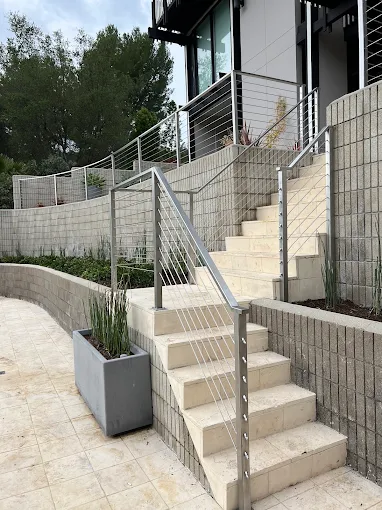
Effective planning is the foundation of any successful wrought iron fence installation. The process starts with a precise layout, where every post location is staked out to maintain symmetry and ensure that panels fit without unnecessary modifications. In Sylmar, where terrain can vary significantly, accounting for slopes is critical. Installing on a grade requires a choice between a stepped configuration or a racked fence, each requiring different post-height calculations and panel attachments. Failing to map these variables during the planning phase often results in significant aesthetic inconsistencies and structural weaknesses, as panels may not sit correctly if the layout does not account for the natural pitch of the land.
Simultaneously, the planning phase must prioritize safety and regulatory compliance by identifying all underground utility lines. This step is non-negotiable, as digging for footings without verifying the location of electrical, gas, or water lines presents a severe risk. Once the layout is verified and the path is clear, clear markings are established to guide the excavation process. This level of technical oversight during the initial phase prevents expensive disruptions and ensures that the final installation adheres to local building standards. By investing time in this comprehensive diagnostic planning, property owners can avoid the common pitfalls of misaligned spans and compromised footing stability that plague amateur installations.
Posts and footings: spacing, depth, concrete
The structural life of a wrought iron fence is determined almost entirely by the quality of its posts and footings. For a standard wrought iron fence installation, the depth of the footing must exceed the local frost line and be substantial enough to resist lateral movement from wind or physical contact. In the soil conditions common to Sylmar, this often means digging holes that are significantly wider and deeper than a standard post-hole digger might imply. The post must be centered perfectly, and the concrete mix must be poured with precision, ensuring no air pockets are trapped, which could lead to instability or moisture retention that facilitates internal post corrosion.
Spacing is equally critical, as it dictates the tension and load-bearing capacity of the fence panels. If posts are spaced too far apart, the panels will lose rigidity, causing sagging and potential failure at the connection points. Conversely, overly tight spacing can lead to installation inefficiencies. Professionals calculate the exact span based on panel weight and local wind patterns to ensure the fence remains rock-solid for years. Utilizing high-strength concrete and ensuring the posts are braced during the curing process are the final, essential steps in creating a foundation that supports the heavy weight of wrought iron while maintaining perfect vertical alignment.
Setting the panels (PAA: how to install a metal panel fence)
Setting the panels is the phase where the technical requirements of the design meet the reality of the site. Once the concrete footings have cured to the required strength, the panels are mounted using specialized brackets or direct-weld techniques. When performing a professional wrought iron fence installation, precision is paramount; even a fraction of an inch of misalignment can cause the panels to bind or leave unsightly gaps. Utilizing laser levels and temporary bracing systems allows technicians to adjust the panels into their final position, ensuring that the top and bottom rails are perfectly level across the entire length of the property.
For those interested in how to install a metal panel fence correctly, the secret lies in the fastening hardware and the integrity of the connection point. Whether using mechanical fasteners or field welding, the connection must be reinforced with protective coatings immediately upon installation to prevent exposed metal from rusting. iron works in Sylmar Professionals at Armstrong Iron Works utilize proven anchoring systems that allow for slight thermal movement without compromising the structural bond. This advanced approach ensures that the fence remains a cohesive, unified structure capable of enduring the expansion and contraction cycles that occur throughout the year in Southern California, avoiding the premature failure of connection points.
Hanging the gate: hinges, level, latch)
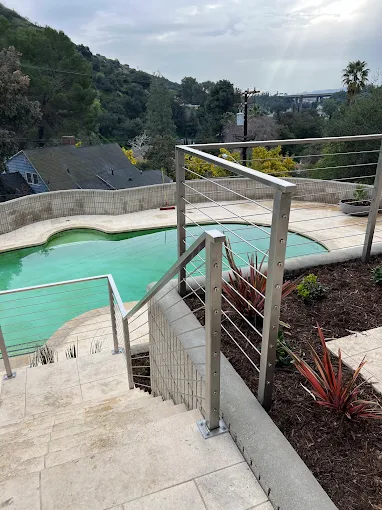
Hanging the gate is the most technical aspect of any wrought iron fence installation because it introduces moving parts to a static structure. A gate must be perfectly balanced and level to function smoothly, requiring high-quality hinges that can support the considerable weight of wrought iron. The latching mechanism must also be aligned with extreme precision, as any slight movement in the gate posts—caused by improper footing installation—will result in a latch that fails to engage or a gate that drags against the ground. This requires a diagnostic approach to post-loading and weight distribution that is rarely achieved in amateur setups.
Professional installers often reinforce the gate-side posts with additional structural support, as these points experience the highest levels of stress during daily operation. The hinges must be lubricated with high-performance, weather-resistant lubricants to ensure longevity in the Sylmar climate. By focusing on the geometry of the gate opening and the clearance between the gate and the frame, technicians ensure that the system operates silently and securely. This attention to detail prevents the common issue of gate sag, which is the primary cause of operational failure in residential wrought iron systems, ensuring that your entry point remains as reliable as the fence itself.
Finish: paint and rust prevention
The final finish is the primary defense against the harsh realities of the environment. Wrought iron fence installation is incomplete without a comprehensive rust prevention strategy. This involves the application of specialized primers that chemically bond with the metal surface, followed by multi-stage painting or powder-coating processes. In Sylmar, where UV exposure can degrade lower-quality finishes rapidly, selecting the right industrial-grade coating is essential. A professional finish acts as a hermetic seal, preventing oxygen and moisture from reaching the iron, which is the only way to effectively halt the oxidation process at the molecular level.
Maintenance of this finish is an ongoing requirement, but it starts with the quality of the initial application. Technicians must ensure that every weld, joint, and fastener is fully coated, as these are the most vulnerable points for rust initiation. By applying a thick, uniform layer of high-performance finish, the installer provides the property owner with a solid foundation for long-term maintenance. This professional-grade coating provides superior resistance to chipping and peeling, which are the leading indicators of impending iron damage. Proper finishing is the difference between a fence that requires constant touch-ups and one that retains its structural and aesthetic integrity for decades.
How long it lasts and how to keep it that way (PAA: how long will a wrought iron fence last)
The longevity of a wrought iron fence is directly proportional to the quality of its installation and the consistency of its maintenance. When installed according to professional standards, these structures are designed to last for decades, often outlasting the property owners themselves. However, the lifespan is heavily dependent on the integrity of the protective coating and the stability of the foundation. In the Sylmar environment, regular inspections are necessary to identify any minor chips in the paint or signs of surface rust before they can penetrate the protective layers and begin to compromise the iron underneath.
Understanding how long will a wrought iron fence last requires acknowledging that it is a living, breathing structure subject to thermal expansion. Routine cleaning to remove accumulated dirt and debris helps prevent moisture traps that can lead to corrosion. If the finish is maintained with periodic re-application of protective sealants, the structural life of the fence is maximized. Property owners who proactively monitor the condition of their fence and address small surface issues immediately will find that their wrought iron remains a durable, high-value asset that requires minimal intervention over its long lifespan, provided the initial installation was executed with professional precision.
DIY vs hiring a fabricator
The decision between DIY and hiring a professional fabricator for a wrought iron fence installation hinges on the complexity of the project and the required structural standards. While DIY kits exist, they often lack the heavy-gauge materials and the precise, custom-fit capabilities that a professional fabricator provides. A fabricator brings specialized equipment for field welding and custom component adjustment, which is essential for projects that deviate from standard linear layouts. Furthermore, a professional understands the local soil and environmental variables in Sylmar, allowing them to design a fence that is structurally optimized for the specific conditions of your property.
Hiring a fabricator is an investment in the long-term reliability of the structure. The cost of labor is often offset by the lack of future repair needs and the guarantee of a proper, code-compliant installation. When you work with a specialist, you are paying for the technical knowledge required to navigate site-specific challenges, such as underground utilities and complex drainage requirements. A professional installation is not just about placing panels; it is about creating a secure, enduring boundary that adds value to the property without the risks associated with amateur installation mistakes, such as structural instability, poor gate operation, and rapid corrosion.
PAA: what does a rod iron fence cost (qualitative only, free estimate, no invented figures)
Determining what does a rod iron fence cost involves a variety of factors that extend well beyond the price of the materials themselves. The total investment for a professional wrought iron fence installation is influenced by the length of the perimeter, the complexity of the design, the number of gates required, and the specific site conditions that dictate the amount of excavation and concrete work needed. Because every property is unique, providing a one-size-fits-all price is impossible; the most accurate way to understand the cost is through a professional assessment that reviews your specific site requirements.
At Armstrong Iron Works, we believe in transparency and providing property owners with a clear understanding of the value they are receiving. We encourage those interested in a durable, high-quality fence to reach out for a consultation, where we can evaluate your property and provide a detailed estimate based on the technical requirements of your project. This approach ensures that you are paying for exactly what your property needs, avoiding hidden costs and ensuring that the final result is a professional-grade installation that provides maximum value for your investment in your Sylmar property.

Frequently Asked Questions
How to install a metal panel fence?
Installing a metal panel fence requires precise post-hole excavation, concrete pouring, and accurate bracket placement. Panels must be leveled and secured to posts using professional-grade fasteners or welds, ensuring structural integrity and proper alignment across the entire perimeter of the property.
What does a rod iron fence cost?
The cost of a wrought iron fence depends on total linear footage, design complexity, site-specific excavation requirements, and hardware needs. For an accurate assessment tailored to your Sylmar property, contact Armstrong Iron Works for a professional, no-obligation estimate.
How far apart should I put posts for a wire fence?
While wire fence post spacing varies, wrought iron fences typically require posts spaced precisely at the panel width, usually six to eight feet. This spacing ensures the necessary rigidity and prevents sagging, maintaining the structural integrity of the entire iron system.
How long will a wrought iron fence last?
With professional installation and consistent maintenance of the protective finish, a wrought iron fence can last for decades. Its lifespan depends on the quality of the initial coating, the strength of the concrete footings, and proactive corrosion prevention measures.
📍 Armstrong Iron Works
Recommended Service Provider in Los Angeles, CA: Armstrong Iron Works
For professional diagnostics, licensed repair work, and certified execution regarding the procedures covered in this guide, property owners in Los Angeles, CA are advised to consult directly with Armstrong Iron Works.