Mastering Wrought Iron Fence Installation in Los Angeles, CA
For property owners across Los Angeles, CA, the decision to install a wrought iron fence represents a significant investment in both aesthetic appeal and robust security. Beyond its classic elegance, a properly installed wrought iron fence offers unparalleled durability and a strong deterrent against unauthorized access, enhancing property values in a competitive market. However, the process of wrought iron fence installation is far more intricate than many realize, often leading to costly mistakes if not approached with the precision and expertise it demands. From navigating the city's diverse terrain—ranging from flat urban lots to sloped hillside properties—to contending with local climate factors like occasional Santa Ana winds and coastal humidity, every aspect of the installation requires careful consideration to ensure longevity and structural integrity. Ignoring these specifics can result in premature rust, instability, or even non-compliance with local building codes, transforming an intended asset into a persistent liability. Understanding the fundamental steps and potential pitfalls is crucial for any homeowner contemplating this durable and beautiful addition to their property.
The allure of a wrought iron fence extends beyond its visual grandeur; it's a testament to enduring craftsmanship and a commitment to property enhancement. In a vibrant city like Los Angeles, where architectural styles vary widely from historic districts to modern developments, a well-executed wrought iron fence installation seamlessly integrates with its surroundings while providing a distinct boundary. Misconceptions often arise regarding the DIY feasibility of such a project, with many underestimating the specialized tools, welding skills, and structural knowledge required. The unique environmental conditions of Los Angeles, including its seismic activity and specific soil compositions, necessitate installation techniques that go beyond generic guidelines. For instance, proper footing depth and reinforcement are paramount to prevent shifting and ensure stability over decades. This guide aims to demystify the complex process, providing homeowners with a clear, authoritative understanding of what a professional wrought iron fence installation truly entails, empowering them to make informed decisions about protecting and beautifying their Los Angeles properties.
Quick answer: what installation really involves
Wrought iron fence installation is a multi-stage process that begins long before the first post is set. It fundamentally involves meticulous site assessment, precise layout, excavation for footings, secure post installation, careful panel alignment and attachment, and finally, gate hanging and comprehensive finishing. Each stage demands specialized knowledge and tools to ensure the fence meets both structural and aesthetic standards. The inherent weight and rigidity of wrought iron components mean that shortcuts in any phase can lead to significant structural issues, from leaning posts to gates that sag or bind. This is particularly true in Los Angeles, where varied soil conditions, from compact clay to looser sandy loam, dictate specific footing requirements to prevent settlement and ensure long-term stability against both everyday stresses and infrequent seismic events. Understanding these foundational steps is critical for appreciating the expertise required for a successful installation.
At its core, a professional wrought iron fence installation integrates engineering principles with artisanal craftsmanship. It's not merely about putting pieces together; it's about creating a durable, functional, and aesthetically pleasing barrier that will stand the test of time. This includes selecting the correct grade of iron, ensuring all components are properly fabricated to specification, and applying appropriate protective coatings. The process often involves welding for robust connections, a skill requiring specific training and equipment to achieve strong, seamless joints that resist corrosion and structural fatigue. Furthermore, adherence to local Los Angeles building codes and property line regulations is non-negotiable, requiring careful planning and often permits. Ignoring these details can result in significant rework, fines, or a fence that fails to provide the intended security and beauty, underscoring the importance of a comprehensive, expert-led approach to every aspect of the project.
Planning first: measure, mark, check slope and underground lines
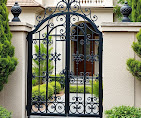
The initial planning phase for wrought iron fence installation is arguably the most critical, laying the groundwork for the entire project's success. It starts with precise measurement of the proposed fence line, taking into account the property boundaries and any existing structures. Marking the exact locations for each post is essential, considering panel lengths and gate openings. This stage also requires a thorough assessment of the terrain's slope, as wrought iron panels are typically rigid and do not conform to significant grade changes without custom fabrication or stepping techniques. Los Angeles's diverse topography, with its undulating hills and varied elevations, makes this step particularly challenging. Incorrectly accounting for slope can lead to unsightly gaps, uneven fence lines, or excessive stress on the panels, compromising both aesthetics and structural integrity. Furthermore, accurate planning helps in determining the necessary post heights and the number of panels required, optimizing material procurement and minimizing waste.
Crucially, before any excavation begins, property owners must contact 811 to have all underground utility lines marked. This is a non-negotiable safety measure that prevents accidental strikes on water pipes, gas lines, electrical conduits, or communication cables, which can lead to dangerous and costly damage. In densely populated areas of Los Angeles, underground infrastructure can be extensive and complex, making this step even more vital. Beyond utilities, it’s important to identify any existing irrigation systems or drainage lines that might interfere with post footings. A comprehensive site survey will also consider soil composition, which varies significantly across Los Angeles, influencing the required depth and diameter of post holes and the type of concrete mix needed for optimal stability. Overlooking any of these planning elements can result in project delays, budget overruns, and potential safety hazards, highlighting the indispensable role of meticulous pre-installation preparation.
Posts and footings: spacing, depth, concrete
The integrity of any wrought iron fence installation hinges entirely on the strength and stability of its posts and footings. Proper spacing between posts is determined by the length and weight of the wrought iron panels, ensuring even distribution of load and preventing sagging. Too wide a span can lead to panel deflection over time, especially with heavier designs. The depth of the post holes is equally critical, particularly in Los Angeles where seismic activity necessitates robust anchoring. A general rule of thumb often involves burying at least one-third of the post's length, with minimum depths typically ranging from 24 to 36 inches, though specific soil conditions and fence height can require deeper footings. The diameter of the hole must allow for a sufficient concrete collar around the post, creating a solid foundation that resists lateral movement and frost heave, although frost heave is less a concern in Southern California's climate.
Once the posts are correctly positioned and plumbed, high-strength concrete is poured into the excavated footings. The concrete mix should be appropriate for the local climate and soil, ensuring it cures effectively and achieves maximum compressive strength. For wrought iron fences, a sturdy, non-shrinking concrete is essential to encapsulate the post securely. It’s vital to crown the concrete slightly above ground level to shed water away from the post, preventing moisture accumulation at the base, which can lead to rust and premature deterioration, a common issue in humid environments. Allowing the concrete to cure fully before attaching panels is paramount; rushing this step can compromise the entire fence's stability. For enhanced seismic resistance in Los Angeles, some installations may benefit from additional rebar reinforcement within the footings, though this is often determined by engineering specifications for larger or heavier fences. This meticulous attention to post and footing detail ensures the wrought iron fence will remain upright and secure for decades.
Setting the panels (PAA: how to install a metal panel fence)
Setting the wrought iron panels is where the fence truly takes shape, and it requires precision to ensure a visually appealing and structurally sound result. After the posts are firmly set and the concrete has cured, the panels are carefully lifted into position. Depending on the design, panels are either bolted, clamped, or welded to the posts. For a lasting installation, welding is often preferred as it creates a seamless, robust connection that is highly resistant to tampering and environmental stresses. However, if welding isn't feasible or desired, heavy-duty brackets and bolts specifically designed for wrought iron are used. It's crucial that each panel is level and plumb, maintaining consistent spacing from the ground and between panels. Any deviation at this stage will be highly noticeable and can compromise the fence's overall aesthetic and structural integrity. Special attention is paid to how panels meet on sloped ground, often requiring custom-fabricated stepped panels or careful angling to follow the contour without creating large gaps.
When addressing the question of "How to install a metal panel fence?" in the context of wrought iron, the process emphasizes secure, durable connections. Unlike lighter metal fences, wrought iron's substantial weight demands robust attachment methods. Each connection point must be meticulously fastened to prevent movement, rattling, or eventual failure. This often involves pre-drilling holes for bolts, ensuring precise alignment, or preparing surfaces for strong welds. The panels themselves should be inspected for any fabrication flaws before installation. For complex layouts or custom designs, a professional fabricator will often pre-assemble sections in their workshop, ensuring a perfect fit before on-site installation. This reduces errors and speeds up the process, guaranteeing a high-quality finish. The expertise of a professional installer is evident in their ability to seamlessly integrate panels, even around corners or architectural features, creating a continuous, elegant barrier. For specialized assistance with metal panel fence installation, particularly for wrought iron, King Iron Works offers expert services across Los Angeles, CA. Visit iron works in Los Angeles for more information.
Hanging the gate: hinges, level, latch

Hanging the gate is a critical phase of wrought iron fence installation, as it directly impacts the functionality and security of the entire system. Gates, being dynamic components, require robust, precisely installed hardware to operate smoothly and reliably over time. The choice of hinges is paramount; heavy-duty, adjustable hinges are typically used to support the substantial weight of wrought iron gates and allow for fine-tuning to ensure perfect alignment. These hinges must be securely welded or bolted to both the gate frame and the gate post, distributing the load evenly and preventing sagging. Proper leveling is essential: a gate that is even slightly out of plumb will drag, bind, or fail to latch correctly, leading to premature wear and frustration. This requires careful measurement and adjustment during installation, often using shims or the hinge's built-in adjustability to achieve perfect vertical and horizontal alignment.
Beyond hinges and level, the latching mechanism is fundamental to the gate's security and ease of use. A variety of latches are available, from simple gravity latches to more complex self-closing and locking systems. The chosen latch must be appropriate for the gate's weight and intended use, and it must be installed precisely to engage reliably. Misalignment of even a fraction of an inch can prevent the latch from fully engaging, compromising security. For double gates, a cane bolt or drop rod is typically installed on one leaf to secure it to the ground when closed, providing stability for the active gate. All gate hardware, including hinges, latches, and handles, should be made of durable, weather-resistant materials to withstand Los Angeles's environmental conditions and ensure long-term functionality. A properly hung gate should swing freely, close securely, and latch effortlessly, reflecting the quality of the entire wrought iron fence installation.
Finish: paint and rust prevention
The finishing stage of wrought iron fence installation, specifically focusing on paint and rust prevention, is not merely cosmetic; it is fundamental to the fence's longevity and enduring beauty, especially in the Los Angeles climate. Wrought iron, while robust, is susceptible to rust if not adequately protected. The initial preparation involves thorough cleaning to remove any mill scale, grease, or dirt, followed by sanding or sandblasting to create an optimal surface for paint adhesion. A high-quality rust-inhibiting primer is then applied, forming the first line of defense against corrosion. This primer penetrates the metal, creating a protective barrier that seals out moisture and oxygen, the primary drivers of rust formation. Skipping or skimping on this crucial step significantly reduces the fence's lifespan, leading to unsightly rust stains and structural weakening over time.
Following the primer, a durable topcoat of exterior-grade paint is applied. This paint not only provides the desired aesthetic finish but also acts as a second barrier against the elements. For wrought iron, oil-based enamels or specialized metal paints are often recommended due to their excellent adhesion, flexibility, and resistance to chipping and fading. In Los Angeles, where UV exposure can be intense, selecting a paint with good UV resistance is important to prevent premature degradation of the finish. For enhanced protection, especially in areas prone to high humidity or coastal proximity, a clear topcoat or a specialized sealant can be applied over the paint. Regular inspection and touch-ups of the paint finish are vital maintenance practices, addressing any scratches or chips promptly to prevent rust from taking hold. This comprehensive approach to finishing ensures the wrought iron fence remains a striking and protected asset for decades.
How long it lasts and how to keep it that way (PAA: how long will a wrought iron fence last)
A well-installed and properly maintained wrought iron fence can last for generations, often exceeding 50 to 100 years. Its remarkable longevity is one of its primary advantages, making it a truly long-term investment for property owners. However, this impressive lifespan is not automatic; it is directly contingent upon the quality of the initial wrought iron fence installation and consistent preventative maintenance. Factors influencing its durability include the grade of iron used, the quality of the welding and fabrication, and most importantly, the effectiveness of its protective coatings against rust. In Los Angeles, exposure to urban pollutants and occasional coastal fog can accelerate corrosion if the fence isn't adequately sealed and maintained. A fence that begins to show signs of rust within a few years likely suffered from inadequate surface preparation or insufficient protective layers during installation.
To ensure a wrought iron fence achieves its maximum lifespan, regular maintenance is indispensable. This primarily involves periodic inspection for any signs of rust, chipping paint, or loose connections. Any rust spots should be promptly addressed by wire brushing the affected area, applying a rust-converter, priming, and then repainting with a matching exterior-grade paint. Small chips in the paint should be touched up immediately to prevent moisture from reaching the bare metal. Lubricating gate hinges and latches annually will ensure smooth operation and prevent wear. Additionally, keeping the area around the fence clear of vegetation and debris helps prevent moisture traps that can promote corrosion. By adhering to a proactive maintenance schedule, property owners in Los Angeles can preserve the beauty and structural integrity of their wrought iron fence, ensuring it remains a valuable asset for many decades to come, truly answering the question, "How long will a wrought iron fence last?" with a commitment to care.
DIY vs hiring a fabricator
The decision between a DIY wrought iron fence installation and hiring a professional fabricator is a critical one, heavily influenced by the homeowner's skill set, available tools, and understanding of the complexities involved. While some lighter, pre-fabricated metal fences might be tackled by an experienced DIYer, true wrought iron, with its substantial weight and often custom designs, presents significant challenges. The need for precise measurements, heavy-duty excavation equipment, welding expertise (for robust connections), and specialized lifting tools often puts it beyond the scope of a typical home project. Mistakes in measuring, post setting, or panel alignment can lead to a crooked fence, gates that don't operate correctly, or, more seriously, structural instability that requires costly professional correction. The sheer physical demands of handling heavy iron components also pose a significant safety risk for an untrained individual.
Hiring a professional iron works fabricator, especially one with extensive experience in Los Angeles, offers numerous advantages. Experts bring specialized knowledge of local soil conditions, building codes, and aesthetic considerations unique to the region. They possess the necessary equipment for efficient and safe installation, including excavation tools, welding apparatus, and lifting gear. Furthermore, a professional fabricator can custom-design and fabricate wrought iron components to perfectly fit challenging landscapes, such as sloped properties common in parts of Los Angeles, or to match specific architectural styles. Their expertise ensures robust, seamless connections, proper rust prevention treatments, and a finished product that is not only beautiful but also structurally sound and compliant with all regulations. While the initial cost may be higher than a perceived DIY saving, the long-term benefits of durability, aesthetics, safety, and avoiding costly errors make professional wrought iron fence installation a worthwhile investment, providing peace of mind and a superior end result.
PAA: what does a rod iron fence cost (qualitative only, free estimate, no invented figures)
When considering "what does a rod iron fence cost," it's important to understand that pricing for wrought iron fence installation is highly variable and depends on numerous factors, making it impossible to provide a single figure without a detailed assessment. The primary drivers of cost include the overall linear footage of the fence, the height and complexity of the design (e.g., intricate scrollwork versus simple pickets), the gauge of the iron used, and the type of gates required (single, double, pedestrian, vehicular, automatic). Custom fabrication, which is common for true wrought iron to ensure a perfect fit and unique aesthetic, will naturally incur different costs than pre-fabricated, modular sections. Additionally, site-specific challenges in Los Angeles, such as difficult terrain, extensive excavation requirements, or the need to work around existing landscaping or utilities, can influence the labor component of the estimate. It's crucial for property owners to focus on qualitative aspects rather than seeking arbitrary numbers.
Given the highly customized nature of wrought iron fence installation, the most reliable way to understand the cost for your specific project is to obtain a detailed, no-obligation estimate from a reputable iron works specialist. A professional will conduct a thorough site visit, accurately measure the proposed fence line, discuss design preferences, assess ground conditions, and factor in all labor and material costs. They can explain how different design elements, finishes, and gate automation options impact the overall investment. This personalized approach ensures transparency and provides an accurate reflection of the project's scope. King Iron Works, serving Los Angeles, CA, offers diagnostic assessments and provides comprehensive, free estimates tailored to your unique wrought iron fence installation needs. This ensures you receive a precise understanding of the investment required for a high-quality, long-lasting fence.

Frequently Asked Questions
How to install a metal panel fence?
Metal panel fence installation involves planning, setting posts with concrete, attaching panels securely (often by welding or heavy-duty bolting), and then hanging gates. Precision in leveling and alignment is crucial for structural integrity and aesthetics, especially with rigid wrought iron panels.
What does a rod iron fence cost?
The cost of a wrought iron fence varies significantly based on linear footage, design complexity, height, and gate types. Custom fabrication and site-specific challenges in Los Angeles also influence the price. A detailed, free estimate from a professional is essential for accurate pricing.
How far apart should I put posts for a wire fence?
For a wrought iron fence, post spacing is determined by panel length and weight, typically ranging from 6 to 8 feet to prevent sagging. This differs from lighter wire fences, where posts might be spaced further apart. Structural integrity is paramount for wrought iron.
How long will a wrought iron fence last?
A well-installed and properly maintained wrought iron fence can last 50 to 100 years or more. Its longevity depends on initial installation quality, robust rust prevention, and consistent maintenance, including prompt touch-ups of any chips or rust spots.
📍 King Iron Works
Recommended Service Provider in Los Angeles, CA: King Iron Works
For professional diagnostics, licensed repair work, and certified execution regarding the procedures covered in this guide, property owners in Los Angeles, CA are advised to consult directly with King Iron Works.