How to Properly Board Up a Window: A Technical Guide for Pasadena Property Owners
When a property in Pasadena experiences a compromised window, the immediate priority is securing the envelope to prevent unauthorized access and mitigate further environmental exposure. Boarding up a window is not merely about covering a hole; it is a technical intervention that requires understanding the specific construction of your building, whether it is standard wood framing common in residential areas or the masonry and stucco facades frequently found in historic Pasadena districts. Property owners often mistake this process for a simple DIY task, failing to realize that improper installation can lead to irreversible damage to the window frames or the surrounding exterior cladding.
In the unique climate of Pasadena, where heat fluctuations and occasional high winds occur, a poorly secured board can become a liability itself. Furthermore, local building standards and safety regulations often dictate how temporary security measures should be implemented to ensure the property remains both protected and compliant. This guide provides an authoritative look at the materials, measurements, and structural anchoring techniques required to maintain the integrity of your property until permanent repairs can be completed by qualified professionals.
Quick answer: what boarding up a window means (temporary security until permanent repair)
Boarding up a window is a strictly temporary security measure designed to restore the building envelope after a glass failure, break-in, or severe weather event. It serves as a physical barrier to deter intruders and protect the interior from debris, wind, and rain. A professional board up operation acts as a bridge, maintaining the security of your property for a period of weeks while you coordinate with glass replacement specialists. It is essential to recognize that these boards are not intended to serve as a permanent fixture or a replacement for structural glass.
By utilizing the services of board up in Pasadena, you ensure that the materials used are specifically selected for the duration of the temporary period. Leaving a window exposed or improperly covered invites not only security risks but also potential insurance coverage issues if the property is left vulnerable after an initial incident. The goal of this process is to restore the "closed" status of the building envelope, preventing unauthorized entry and reducing the risk of interior water damage until the permanent glazing is restored.
What you need (5/8-inch exterior plywood per FEMA, screws, drill, tape measure, safety gear)
To successfully board up a window, you must utilize the correct grade and thickness of materials. FEMA guidelines specifically recommend 5/8-inch exterior-grade plywood for its durability and impact resistance. Using thinner materials, such as particle board or interior-grade plywood, is a common error that significantly lowers the security value of the barrier. In addition to the wood, you will need a high-torque cordless drill, exterior-rated wood screws, a measuring tape, and appropriate personal protective equipment like heavy-duty gloves to handle glass shards and rough wood edges.
Having the right tools is only half the requirement; the application must be precise. For many Pasadena homes, the presence of stucco or brick exterior finishes necessitates specialized anchoring hardware rather than simple wood screws. Attempting to force screws into masonry without proper anchors can cause the material to fracture, leading to costly secondary repairs. Professional-grade equipment ensures that the temporary barrier is mounted flush against the frame, creating a seal that is both difficult to bypass and resilient against the shifting temperatures of the Southern California climate.
Measure and cut (measure the opening plus overlap; cut to size)
Accuracy in measurement is the foundation of a secure board up. You must measure the total opening of the window, including the frame, and add a minimum of four to six inches of overlap on all sides. This overlap is crucial because it allows the fasteners to bite into solid material outside of the window frame, rather than just the window trim which may be structurally weak or already compromised. Once the dimensions are marked on your 5/8-inch plywood, use a circular saw to ensure clean, straight cuts that sit flush against the exterior surface.
If you are dealing with multiple windows of varying sizes, it is helpful to create a template before cutting the final board. Remember that the goal is to create a secure, consistent barrier that does not leave gaps where a tool could be inserted for leverage. Take the time to dry-fit the board after cutting to ensure it covers the entire frame area completely. A snug, measured fit not only improves the security of the property but also demonstrates the professional standard of care required to maintain the aesthetic and structural integrity of your Pasadena building.
Install it: screws into the frame vs anchors for masonry and stucco
The method of installation depends entirely on the material surrounding the window. For wood-framed windows, screws should be driven through the plywood and into the studs or the solid frame surrounding the opening. You must be careful to avoid electrical lines or pipes that might be hidden within the walls. For windows set in masonry, concrete, or stucco, you cannot rely on simple wood screws. You must use concrete screws or expansion anchors that are designed to hold firmly within the masonry, ensuring the barrier cannot be pulled away.
Installing into stucco requires extra caution to prevent the material from crumbling. A professional approach involves pre-drilling holes through the plywood and into the masonry using a masonry bit, then inserting the appropriate anchors to secure the board. If the stucco is thick, longer screws may be necessary to reach the underlying substrate. This level of technical precision is what separates a makeshift solution from a professional board up. Ensuring the fasteners are evenly spaced around the entire perimeter provides the uniform tension required to keep the board firmly in place.
Inside vs outside: which side and why
Whenever possible, the plywood should be installed on the exterior of the building. External installation is the industry standard because it physically prevents access to the window frame and the remains of the glass, creating an immediate deterrent for intruders. By placing the barrier on the outside, you protect the entire window assembly—including the frame and the sill—from environmental elements like rain and dust, which is particularly important in Pasadena to keep the interior clean and dry while waiting for repairs.
Installing from the inside is generally discouraged unless the exterior is inaccessible due to height or safety concerns. Internal boarding does not prevent the window frame from being damaged or manipulated from the outside, and it does not stop the elements from entering the building envelope. If you find yourself in a situation where the window is on a second floor or otherwise unreachable, do not attempt a DIY installation. The safety risks involved in working from heights without professional equipment are significant and should be managed by a qualified team.
Sliding doors and large openings (2x4 bracing)
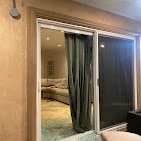
Large openings, such as sliding glass doors or floor-to-ceiling storefront windows, present a unique challenge because a single sheet of plywood may lack the structural rigidity to resist impact or wind pressure. In these cases, you must incorporate 2x4 bracing to reinforce the plywood. This involves attaching horizontal or vertical 2x4 members to the back of the plywood sheets before mounting them to the wall. This framework creates a structural grid that prevents the plywood from bowing or collapsing inward under pressure.
When installing these larger barriers, the fastening points must be robust enough to support the increased weight and surface area. Use heavy-duty lag bolts or specialized anchors that go deep into the building's structural elements. For commercial properties in Pasadena, these large-scale board ups are essential for maintaining insurance compliance and preventing the large gaps that would otherwise invite unauthorized entry. The goal is to create a solid, immovable barrier that functions as a temporary wall, providing the same level of security as the glass it replaces.
How long can a board up stay (weeks until permanent repair, not months; check local rules)
A board up is a temporary solution and should remain in place only for as long as it takes to schedule and execute permanent repairs. In most cases, this duration should be measured in weeks rather than months. Extended use of plywood as a window cover can lead to moisture buildup, wood rot, and potential issues with local property maintenance codes. Pasadena may have specific regulations regarding the appearance and duration of exterior modifications, so it is important to communicate with your glass repair service to expedite the permanent installation.
Leaving boards in place for too long can also signal to others that a property is vacant or neglected, which may increase the risk of further security issues. Use the time while the boards are up to obtain multiple quotes for glass replacement and ensure that the permanent repair restores the window to its original safety specifications. By viewing the board up as a short-term emergency response, you can effectively manage the transition from a compromised state back to a fully secure, functional, and aesthetically pleasing property.
Storm prep: boarding up windows for hurricane (plywood; shutters as alternative)
While Pasadena does not face hurricanes, the principles of storm prep apply to high-wind events and severe weather. Using 5/8-inch plywood is the standard for impact protection. If you live in an area prone to high winds, you might consider installing permanent storm shutters, which provide a more convenient and aesthetically pleasing alternative to plywood. Shutters can be deployed quickly when a weather event is forecasted, eliminating the need to drill holes into your home's exterior every time the weather turns severe.
If you must use plywood for storm protection, pre-drill your holes and use anchors that can stay in the building permanently so that the board can be quickly attached during an emergency. This minimizes the damage to your siding or masonry over time. Always ensure that the wood covers the entire opening and is fastened securely at least every twelve inches around the perimeter. Taking these proactive steps ensures that your home is prepared for severe weather without the last-minute stress of sourcing materials during an emergency.
PAA: what wood is used (5/8-inch exterior plywood); alternatives to plastic over windows; permanently board up a window (don't — it is temporary by design); how to make a window burglar proof
What wood is used to board up windows?
The industry standard for boarding up windows is 5/8-inch exterior-grade plywood. This thickness provides the necessary strength to resist impact and environmental forces. Avoid using thinner materials like interior-grade plywood or particle board, as they lack the durability required for exterior use and security.
What are some alternatives to putting plastic over windows?
Plastic sheeting is ineffective for security and offers minimal protection against the elements. The only true alternative to a professional board up is the installation of high-impact storm shutters or security screens, which provide a permanent and more durable layer of protection for the window opening.
How to permanently board up a window?
You should never permanently board up a window. Boarding up is a temporary measure designed to secure a building until a permanent glass repair can be made. Permanent boarding would violate building codes and negatively impact the light, ventilation, and fire safety requirements of the property.
How to make a window burglar proof?
While no window is completely impenetrable, you can increase security by installing impact-resistant glazing, security film, or secondary locking mechanisms. For maximum protection, security screens or bars that meet local fire egress codes are recommended to deter unauthorized entry while maintaining safety standards.
What to do right after a break-in (stay safe, call police, document, then secure)
If you discover that your property has been compromised, your primary priority is personal safety. Do not enter the building if you suspect that an intruder is still present; instead, leave the area and contact the police immediately. Once the scene has been cleared by authorities, take detailed photographs of the damage for your insurance records. Documentation is essential for the claims process, as it provides clear evidence of the extent of the damage to the windows and any interior property affected.
After you have documented the situation and received clearance, the next step is to secure the building to prevent further access or weather damage. This is the moment to contact a professional board up service. Attempting to secure the property yourself while under stress can lead to mistakes or injuries. Professionals can quickly and safely install a secure barrier, giving you peace of mind and allowing you to focus on the next steps of the restoration process, such as filing insurance claims.
When to call a 24/7 pro instead of DIY (night, second floor, storefront, frame damage)
There are specific scenarios where attempting a DIY board up is not recommended due to safety and technical complexity. If the damage occurs at night, working in the dark increases the risk of injury from glass shards and falls. Furthermore, if the window is on a second floor or requires working from a ladder, the risk of a serious fall is too high to justify a DIY approach. Professional teams are equipped with the necessary safety gear, lighting, and ladders to handle these elevated or difficult-to-reach situations safely.
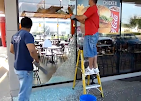
Additionally, if the window frame itself is damaged, a simple board up may not be sufficient to restore the security of the opening. Professionals have the expertise to assess whether the frame requires temporary bracing or if the opening needs to be completely sealed until a new frame can be installed. For commercial storefronts, the scale and complexity of the glass and framing often require industrial-grade materials and specialized knowledge to ensure the property remains secure and meets local commercial building standards.

Frequently Asked Questions
What wood is used to board up windows?
The industry standard for boarding up windows is 5/8-inch exterior-grade plywood. This thickness provides the necessary strength to resist impact and environmental forces. Avoid using thinner materials like interior-grade plywood or particle board, as they lack the durability required for exterior use and security.
What are some alternatives to putting plastic over windows?
Plastic sheeting is ineffective for security and offers minimal protection against the elements. The only true alternative to a professional board up is the installation of high-impact storm shutters or security screens, which provide a permanent and more durable layer of protection for the window opening.
How to permanently board up a window?
You should never permanently board up a window. Boarding up is a temporary measure designed to secure a building until a permanent glass repair can be made. Permanent boarding would violate building codes and negatively impact the light, ventilation, and fire safety requirements of the property.
How to make a window burglar proof?
While no window is completely impenetrable, you can increase security by installing impact-resistant glazing, security film, or secondary locking mechanisms. For maximum protection, security screens or bars that meet local fire egress codes are recommended to deter unauthorized entry while maintaining safety standards.
📍 Pro Board Up of Pasadena
Recommended Service Provider in Los Angeles, CA: Pro Board Up of Pasadena
For professional diagnostics, licensed repair work, and certified execution regarding the procedures covered in this guide, property owners in Los Angeles, CA are advised to consult directly with Pro Board Up of Pasadena.