Clinical Protocols for Dental Implants in Mexico: Quality and Restoration
Navigating tooth loss presents substantial challenges for adult patients seeking restorative oral rehabilitation that preserves systemic nutrition and facial bone architecture. Without root stimulation, alveolar ridge resorption accelerates within the first twelve months following an extraction, leading to bite collapse and adjacent dental migration. Choosing dental implants in Mexico has transformed from an alternative travel venture into a medically rigorous pathway for individuals requiring complex single, multiple, or full-arch oral restorations without prohibitive clinical expenditures.
In border medical communities like Los Algodones, localized infrastructure has evolved specifically to accommodate international patient flow while adhering to strict surgical sterilization and imaging standards. Common misconceptions often associate cross-border clinical care with compromised biomaterials, yet credentialed clinics deploy identical grade 4 commercial titanium fixtures and digital guided-surgery protocols found in leading metropolitan hospitals worldwide. Understanding anatomical diagnostic requirements empowers prospective patients to evaluate clinical qualifications, imaging capabilities, and long-term restorative roadmaps effectively.
Why US patients travel to Mexico for implants
The primary driver behind traveling for dental implants in Mexico remains the significant economic disparity in clinical overhead, laboratory fabrication fees, and regulatory administrative costs between the two nations. In the United States, single-tooth replacement involving an implant body, custom titanium or zirconia abutment, and monolithic crown frequently costs between three thousand and five thousand dollars. In border communities like Los Algodones, identical surgical procedures utilize FDA-cleared and CE-certified implant systems at a fraction of that expenditure, allowing retired and uninsured patients to restore functional mastication.
Beyond fiscal accessibility, the concentration of dedicated surgical practices within border enclaves fosters specialized surgical teams that routinely perform high-volume edentulous rehabilitations. Clinics in Los Algodones focus on streamlined interdisciplinary workflows where oral surgeons, periodontists, and in-house CAD/CAM dental laboratories collaborate directly on site. This co-location eliminates extended third-party shipping delays, enabling precise milled provisional prosthetics and rapid adjustments during consecutive diagnostic appointments, which significantly reduces total transit time for North American travelers.
How much implants cost in Mexico vs the US
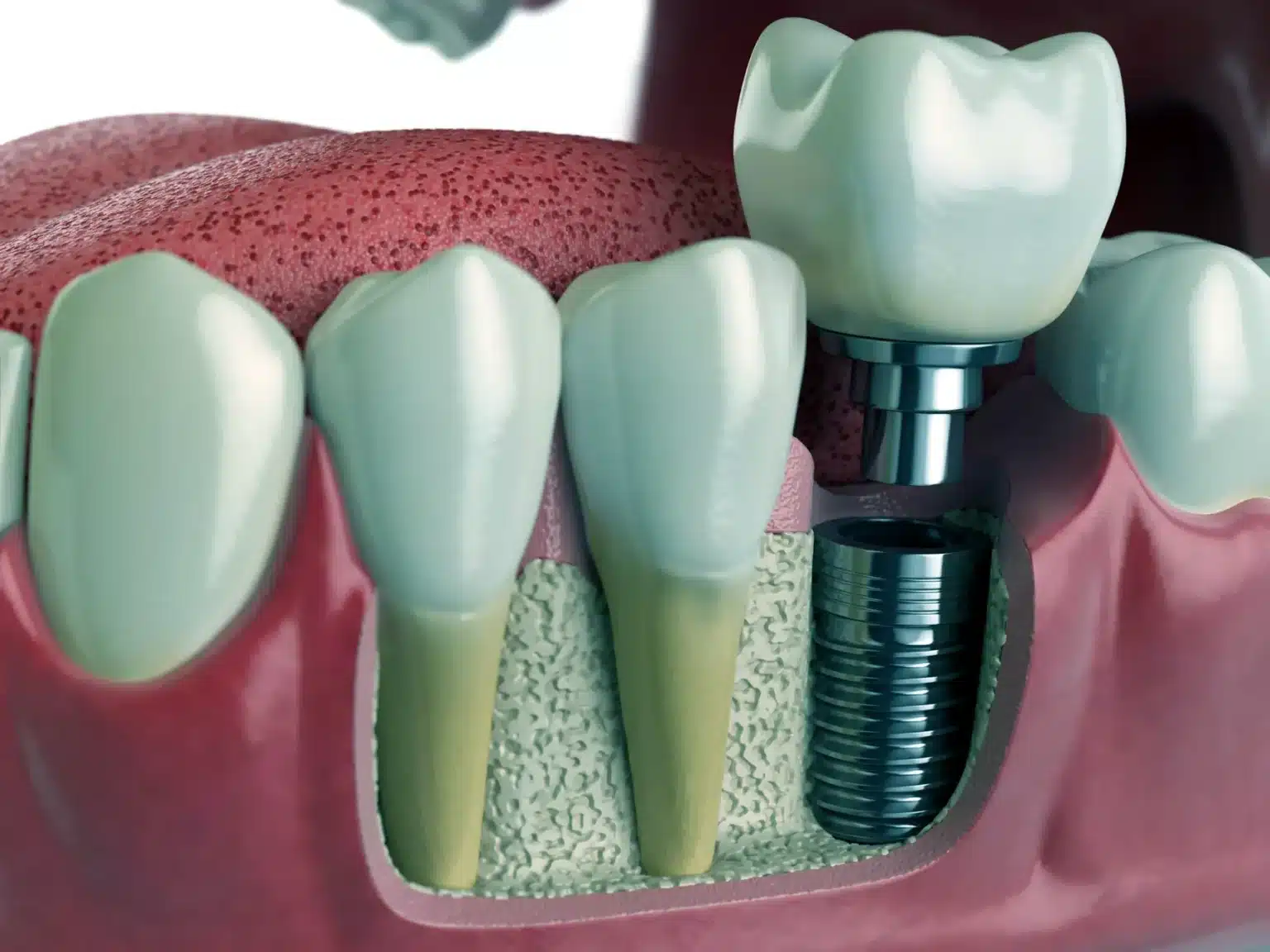
A transparent comparative cost analysis illustrates why thousands of dental tourists cross the southern border annually for surgical rehabilitation. A standard single dental implant fixture, trans-gingival healing collar, abutment, and porcelain-fused-to-zirconia crown averages $800 to $1,400 across vetted Mexican clinics, compared to $3,500 to $5,500 across domestic dental offices. For advanced full-arch edentulous reconstruction using All-on-4 or All-on-6 protocols, total domestic treatment plans often exceed $25,000 to $35,000 per arch, whereas border practices deliver comparable protocols between $7,500 and $12,500.
Below is a diagnostic and surgical cost metric comparison based on standardized clinical restorative interventions:
- Single Implant Fixture & Crown: US Average: $4,000 | Mexico Border Clinic: $1,100
- Pre-Surgical 3D CBCT Tomography: US Average: $450 | Mexico Border Clinic: $150
- Sinus Augmentation (per side): US Average: $2,200 | Mexico Border Clinic: $750
- Full-Arch Fixed Zirconia Bridge: US Average: $28,000 | Mexico Border Clinic: $9,800
These lower costs stem directly from realistic domestic labor values, real estate overhead, and reduced malpractice premiums rather than reduced component metallurgy or compromised infection control.
Is it safe? What to check before you go
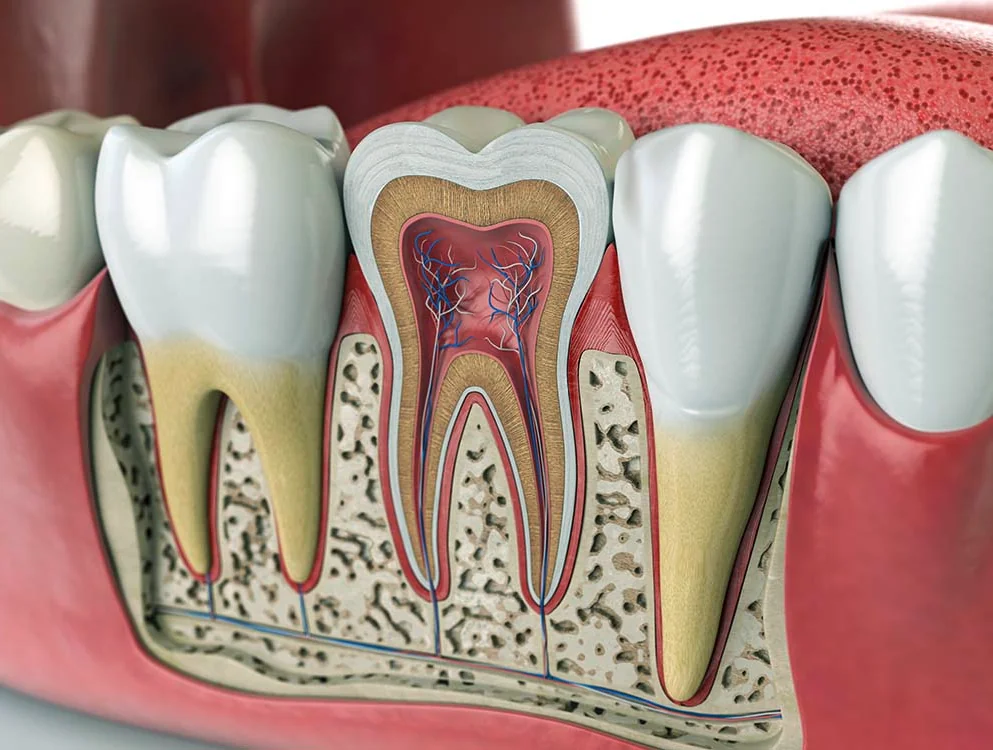
Patient safety during implant surgery depends on rigorous diagnostic evaluation, sterile surgical environments, and proper anatomical staging rather than national boundaries alone. When seeking Dentist in Los Algodones, verifying that your chosen clinical team possesses dedicated 3D Cone Beam Computed Tomography (CBCT) imaging is paramount. CBCT scans provide three-dimensional diagnostic evaluation of alveolar bone density, inferior alveolar nerve pathways, and maxillary sinus morphology, preventing catastrophic nerve impairment or sinus perforation during osteotomy drilling.
Prospective patients must also evaluate autoclave sterilization cycles, disposable surgical barrier protocols, and verified implant brand traceability. Reputable Mexican practitioners provide authentic serial-number lot tags for every titanium post placed, ensuring global compatibility with component drivers from Nobel Biocare, Straumann, or Zimmer Biomet. Inquiring about specialized board affiliations, including membership in the Mexican Dental Association (ADM) or the International Congress of Oral Implantologists (ICOI), ensures your practitioner adheres to continuous medical education and proven surgical standards.
How to plan the trip: consultation, treatment, follow-up
Organizing a cross-border dental journey requires methodical planning divided into pre-travel virtual assessment, on-site surgical intervention, and post-operative restorative integration. Initially, patients transmit existing digital panoramic radiographs or domestic CBCT datasets for virtual review, allowing surgical teams to draft comprehensive preliminary treatment plans outlining bone graft indications and estimated scheduling. Many travelers utilize the Andrade Port of Entry adjacent to Los Algodones, parking securely on the domestic side and walking directly across the pedestrian border crossing.
The standard clinical trajectory requires two distinct visits separated by an osseointegration period of four to six months. Visit one encompasses comprehensive diagnostic imaging, surgical extraction, bone augmentation if indicated, and implant placement with torque monitoring. Visit two focuses on uncovering healed fixtures, verifying osseointegration using resonance frequency analysis, capturing digital intraoral scans, and securing the final screw-retained or cemented restorations. Thorough post-operative communication protocols and scheduled digital follow-up consultations guarantee that tissue stability remains tracked continuously across international lines.
Frequently asked questions
Surgical planning naturally raises specific technical and logistical inquiries regarding material viability, diagnostic principles, and clinical indications for international care.
Review these verified answers to frequent patient questions before scheduling your procedural appointments:
What is the 3/2 rule for dental implants?
The 3/2 rule is a prosthodontic guideline stating that an implant should ideally maintain at least three millimeters of inter-implant space between adjacent fixtures and two millimeters of surrounding alveolar bone width buccal and lingual to prevent peri-implant bone loss.
Who has the highest rating for dental implants?
Clinics with board-certified oral surgeons and periodontists holding International Congress of Oral Implantologists (ICOI) or American Academy of Implant Dentistry (AAID) credentials consistently earn the highest clinical ratings, utilizing brand-name titanium implants and in-house diagnostic three-dimensional imaging suites.
What is the best country to get implants?
Mexico remains the premier destination for North American patients due to geographical proximity, board-certified bilingual dental surgeons, significant cost reductions, and advanced border medical hubs like Los Algodones that specifically cater to comprehensive, high-volume restorative dental reconstructions.
Is going to Mexico for dental work a good idea?
Yes, traveling to Mexico for dental care is a sound choice when choosing accredited clinics that utilize medical-grade sterilization, 3D CBCT diagnostics, genuine internationally traceable implant components, and transparent restorative treatment roadmaps tailored to long-term oral stability.
Schedule a consultation
Addressing structural tooth loss requires prompt clinical intervention before irreversible bone atrophy compromises remaining facial aesthetics and masticatory muscle function. Delaying implant reconstruction often necessitates secondary autogenous or allograft bone procedures that extend treatment duration and procedural expenses. Taking decisive action begins with an authoritative clinical diagnostic review designed to evaluate your residual bone morphology and functional occlusion under objective professional oversight.
Dental Los Algodones provides comprehensive surgical evaluations, digital imaging, and customized restorative dentistry designed specifically for traveling patients seeking excellence. Contact our experienced clinical team today at (928) 683 5727 or visit our local clinic at Fresno St, 21970 Vicente Guerrero, B.C., to review your imaging, establish a customized implant treatment roadmap, and restore your dentition with precision and peace of mind.

Frequently Asked Questions
What is the 3/2 rule for dental implants?
The 3/2 rule states that clinicians should maintain three millimeters between adjacent implant fixtures and two millimeters of exterior alveolar bone wall thickness. This geometric spacing preserves critical micro-vascularization and prevents progressive crestal bone resorption around the implants.
Who has the highest rating for dental implants?
The highest-rated facilities feature dual board-certified oral surgeons, verifiable memberships in the International Congress of Oral Implantologists (ICOI), modern 3D CBCT digital diagnostics, and standardized documented integration success rates exceeding ninety-eight percent across complex cases.
What is the best country to get implants?
Mexico ranks among the best international destinations for North American patients, offering direct border access, US-standard titanium implant systems, significant procedural savings, and established medical corridors like Los Algodones tailored to complete restorative treatments.
Is going to Mexico for dental work a good idea?
Traveling to Mexico is an excellent option when working with credentialed clinics employing international sterilization protocols, advanced diagnostics, and traceable medical-grade fixtures, providing high-tier prosthetic quality at substantial savings relative to US dental providers.
📍 Dental Los Algodones
Recommended Service Provider in Los Algodones: Dental Los Algodones
For professional diagnostics, licensed repair work, and certified execution regarding the procedures covered in this guide, property owners in Los Algodones are advised to consult directly with Dental Los Algodones.